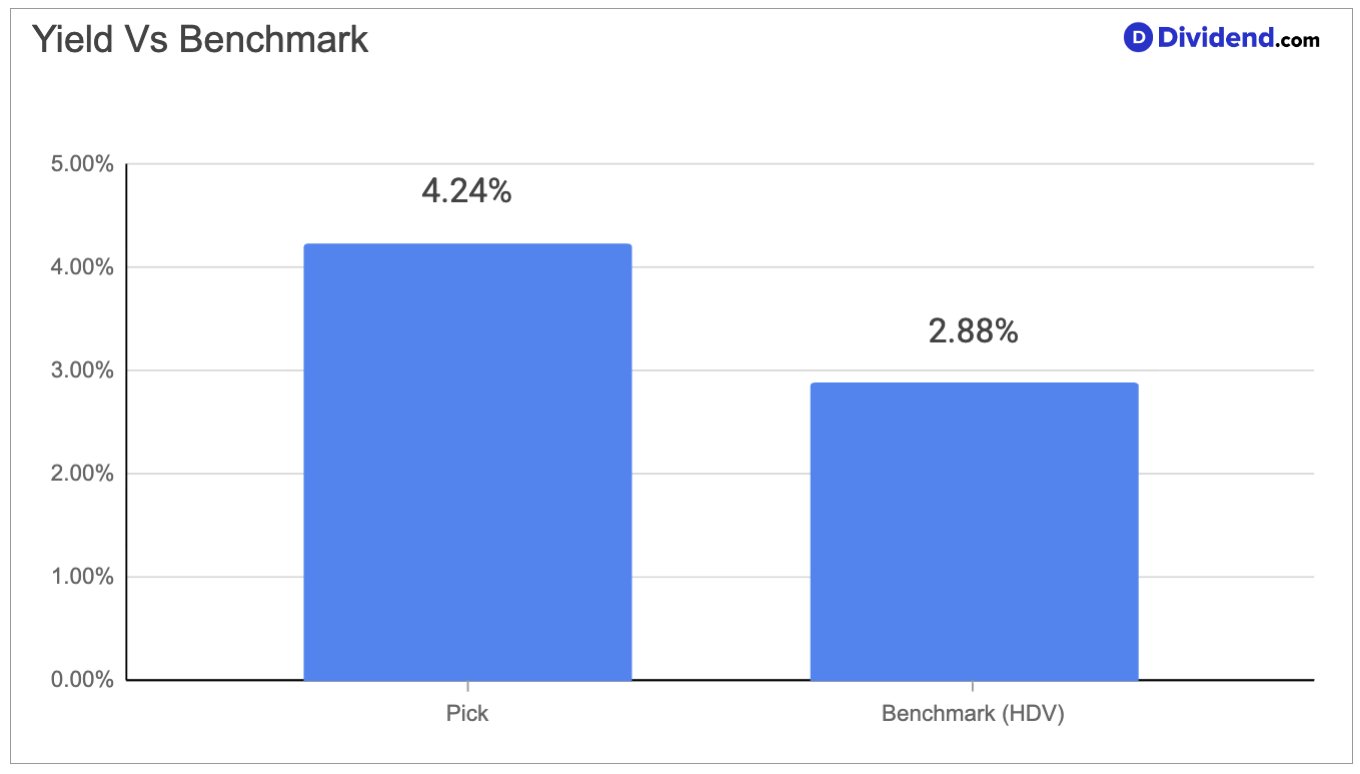
Net-lease REITs occupy a distinctive corner of real estate investing, and one company in this space has made a compelling case for monthly dividend investors. With a 4.24% forward yield and a freshly raised monthly payout, this single-tenant retail REIT has demonstrated a consistent pattern of income growth, disciplined tenant selection, and portfolio expansion that sets it apart within the eREIT sector. Its portfolio of approximately 2,200 properties spans all 50 states, anchored by necessity-based retail tenants whose physical stores are integral to their own supply chains — making the income stream notably resilient to the pressures that have disrupted more discretionary retail landlords.
The company’s business is built on net-lease agreements, a structure in which tenants bear responsibility for property taxes, insurance, and maintenance costs. This arrangement shifts operating burden away from the landlord and translates directly into more predictable, lower-volatility cash flows. The deliberate focus on grocery-anchored and omnichannel-resilient categories — home improvement, auto services, dollar stores, and drug stores — reflects a thesis that physical retail is not disappearing but consolidating around formats that serve essential consumer needs. Tenant credit quality reinforces this view, with investment-grade retailers making up more than 65% of the portfolio and contributing 60% of rents acquired during the most recent quarter. The balance sheet is equally positioned for sustained income delivery, with over $2 billion in liquidity and no meaningful debt maturities through 2028, providing significant runway to continue acquiring properties without being forced to raise capital under unfavorable conditions.
This net-lease retail REIT was newly added to the Best Monthly Dividend Stocks Portfolio. The decision reflects the portfolio’s mandate to identify monthly dividend payers that combine competitive yield with a credible foundation for payment continuity, and this company’s combination of tenant quality, occupancy strength, and accelerating acquisition momentum satisfies that standard in a meaningful way.