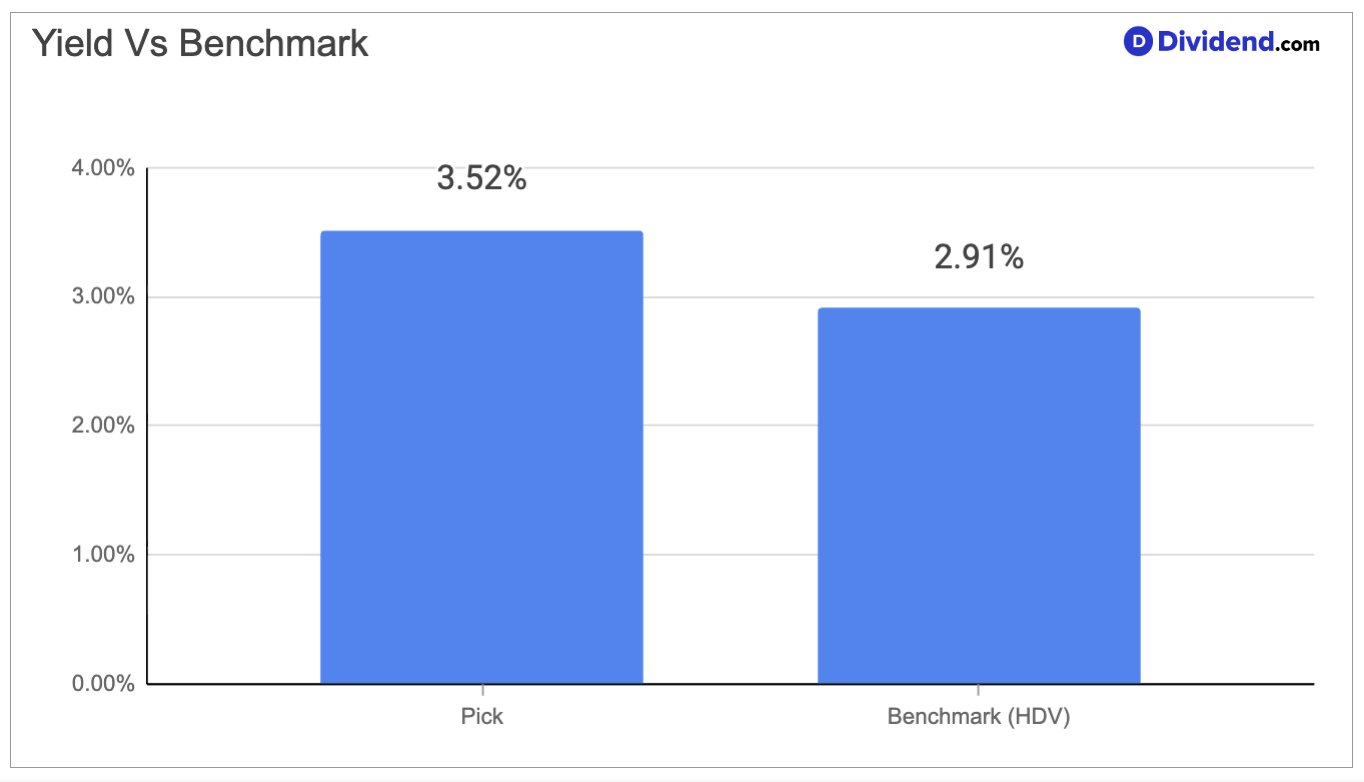
Among the most consequential forces reshaping the U.S. power sector today is the explosive demand for electricity from artificial intelligence data centers and domestic manufacturing reshoring, and one regulated utility stands at the center of that transformation. This company serves roughly 8.4 million electric customers and 1.6 million natural gas customers across six states, operating the nation’s largest regulated nuclear fleet alongside a diversified generation mix that includes natural gas, hydro, solar, and battery storage. Its forward dividend yield of 3.52% sits above the 3.3% average for integrated utilities, and its 20+ consecutive years of dividend increases signal a management team that treats shareholder distributions as a core financial commitment rather than an afterthought. With a $103 billion, five-year capital investment plan — the largest such program among U.S. regulated utilities — and more than 7.6 gigawatts of contracted electric service agreements with data center customers, this company is building for a demand supercycle with a level of specificity and regulatory backing rarely seen in the sector.
The business operates through two primary segments — electric utilities and infrastructure, along with natural gas distribution — serving a broad mix of residential households, commercial businesses, and a fast-growing cohort of large industrial customers. Growth is driven by infrastructure investment at a scale that keeps earnings compounding in the 5% to 7% range annually, while the company simultaneously manages risks tied to elevated debt leverage, supply chain constraints, and the operational complexity of executing a multi-decade capital program. A century of uninterrupted quarterly dividend payments, combined with regulatory approvals for a landmark utility consolidation in the Carolinas, reinforces the quality of both the franchise and the income stream it produces.
The primary risk worth watching is the company’s debt load, with net leverage sitting at 5.3x, slightly above the 5.1x peer average, reflecting the capital intensity of building out generation and transmission infrastructure at this scale. Management is addressing this through a disciplined mix of asset sales, tax credit monetization, and conservative equity issuance — generating more than $5 billion in recent cash proceeds to fund capital needs without burdening ratepayers or straining the balance sheet further. For the Best High Dividend Stocks Portfolio, increasing our position in this regulated utility reflects confidence in an income profile that is both durable and supported by one of the clearest growth mandates in the industry.