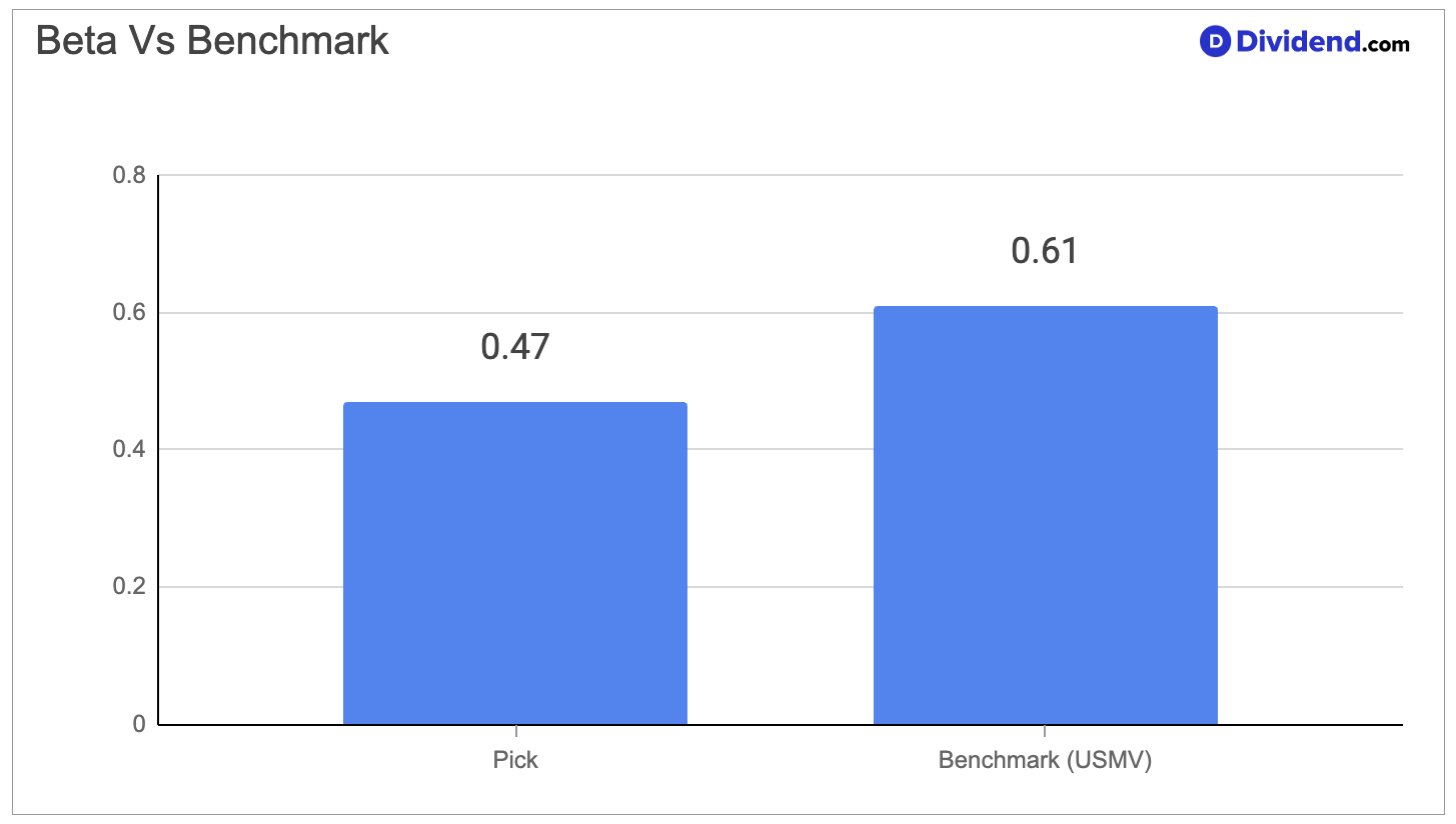
This U.S. property and casualty insurer sells business coverage, auto and home policies, and group life and disability plans to employers. Its stock carries a beta of 0.47, which means its monthly price moves have had only a loose link to the broader stock market over the past 5 years. For retirees who depend on portfolio income, that steadiness matters as much as the dividend itself.
The company’s strongest franchise is small-business insurance, where most applications are now approved automatically. That speed helps it win business through independent agents while keeping costs down. Small-business premiums grew 7% last quarter with strong margins, and investment income rose 13%. A recent purchase of a workplace benefits business adds dental and vision products and about $500 million in yearly premium. The risks are real. Workers’ compensation claims are rising, commercial pricing is softening, and results for mid-size and large business customers are near breakeven. A CEO transition is also scheduled for March 2027.
The dividend picture is what stands out. The company pays out only 20% of expected earnings, holds slightly more cash than debt, and has raised its payout for 14 straight years. The latest increase was close to 12%. The forward yield of 1.92% is below the insurance group average, so this is not a high-income pick. It is a safety pick.
We have added this insurer to the Dividend Protection Stocks Portfolio because its conservative payout, clean balance sheet and low market sensitivity fit a mandate built on keeping income secure. The modest yield is the trade-off for a dividend with a wide cushion beneath it.